USA’s Hampton Inn’s Rise to the World’s Largest Hotel Chain: How Consistency, Value, and a Memorable Breakfast Experience Led to Success


USA’s Hampton Inn’s Rise to the World’s Largest Hotel Chain: How Consistency, Value, and a Memorable Breakfast Experience Led to SuccessUSA’s Hampton Inn’s Rise to the World’s Largest Hotel Chain: How Consistency, Value, and a Memorable Breakfast Experience Led to Success

Yes, some hotel brands undoubtedly characterize themselves by posh amenities, refined design and highfalutin services. Yet for Hampton Inn by Hilton, the formula for standing out from the crowd couldn’t have been more diverse. Touted for its consistency, applied value, and a breakfast that doesn’t necessarily suck, Hampton Inn sits as one of the world’s largest hotel chains today.

With a straightforward, proven business model, this hotel chain has been able to surpass many of its peers without pursuing luxury. Indeed, the success of Hampton Inn isn’t the result of flashy lobbies or high room rates. Instead, it’s about providing the sort of consistency, convenience and value that travelers can depend on, stay after stay after stay.

For travelers who value predictability and a friendly greeting, the rise of the Hampton Inn is not just a reversal of contemporary fortunes in hospitality. The recipe of solid, consistent service mixed with a memorable breakfast experience has made it a top choice for millions of diners. With a portfolio of more than 350,000 guest rooms in 43 countries, Hampton Inn takes the top spot in the mid-priced hotel category.

How Hampton Inn Became a Global Giant in the Hospitality Industry

Hampton Inn’s extraordinary rise to prominence is a story of strategic evolution, innovation, and an uncanny understanding of customer needs. While some may see the chain’s success as a simple outcome of good service and reasonable pricing, the reality is much more nuanced. The journey to becoming the world’s largest hotel chain didn’t happen overnight—it was a result of years of careful planning, adaptation, and thoughtful market research.

Hilton, the parent company of Hampton Inn, acquired the brand in 1999, immediately setting the stage for the chain’s major growth. Under Hilton’s guidance, Hampton Inn began a series of innovations that would set it apart from its competitors. One of the brand’s most notable moves was the introduction of its now-famous complimentary breakfast, which has since become a hallmark of the Hampton Inn experience.

This shift in the mid-tier hotel space was a game changer. Before Hampton Inn, no other hotel chain had dared to offer hot, complimentary breakfasts to guests staying at budget-friendly properties. The decision to provide a free, hearty breakfast wasn’t just a value-added perk—it was a strategic move that redefined what customers expected from affordable accommodations.

The Psychology Behind Hampton Inn’s Free Breakfast Strategy

At the core of Hampton Inn’s success is its brilliant understanding of customer psychology. While the cost of providing breakfast is relatively low for franchisees—less than $5 per occupied room—guests perceive the value of the meal to be far higher. In fact, many guests place a perceived value of $50 on the meal, which is roughly one-third of the average night’s stay.

This simple yet effective strategy taps into the human tendency to associate free offerings with luxury. Hampton Inn didn’t need to invest in extravagant lobbies or high-end furnishings; instead, it offered guests a meaningful and reliable benefit that many would otherwise have to pay for at competing hotels.

The interactive breakfast experience, complete with waffle makers and a variety of hot and cold options, adds a sense of engagement that sets the brand apart. Guests enjoy the novelty of making their own waffles, and the anticipation of waiting for the hot, fresh snack brings a unique and memorable experience to a traditionally mundane part of the hotel stay.

The Evolution of Hampton Inn’s Guest Experience

Hampton Inn’s ascent was not just about adding breakfast but also about carefully redesigning its properties to meet the needs of modern travelers. Research conducted by Hilton revealed that contemporary guests often behave less like traditional hotel customers and more like casual travelers, with many spending considerable time in their rooms and using beds for activities like working on laptops.

In response, Hampton Inn properties made subtle but impactful changes to their layouts and amenities. For instance, traditional desks were removed in favor of more flexible spaces, and wardrobe doors were eliminated to reduce the chance of guests forgetting their belongings. These changes were made based on direct feedback from guests, who expressed a desire for more convenience and a less rigid hotel environment.

The brand’s focus on creating rooms that match how people truly live and work on the road has made Hampton Inn’s properties an ideal home away from home. This emphasis on comfort and practicality has made the brand incredibly appealing to travelers looking for an easy and hassle-free hotel experience.

Hampton Inn’s Franchise Model: A Winning Business Formula

Another key element of Hampton Inn’s success lies in its innovative franchise model. While the hotel brand’s primary customer may be the end guest, its most important customer is the franchisee. Hampton Inn has developed a business formula that benefits everyone involved: from franchise owners to guests and even Hilton.

For franchise owners, Hampton Inn provides immediate brand recognition, which in turn allows them to charge higher nightly rates compared to independent, unbranded competitors. The formula has proven so effective that over the years, Hampton Inn has consistently outperformed its rivals in terms of both room sales and revenue.

In 2024, the average Hampton Inn location saw 21% higher revenue than its competitors, underlining the strength of the brand’s appeal. Even with substantial upfront costs, which include about $15 million for an 89-room property (excluding land costs), the returns have consistently justified the investment, making it one of the most attractive opportunities in the hotel franchise market.

Reliability Over Luxury: Why Consistency Drives Loyalty

While other hotel brands chase after luxury, extravagant designs, or Instagram-worthy experiences, Hampton Inn has built its empire on a much simpler and more reliable foundation: consistency. In a crowded market, travelers know exactly what to expect when they book a room at a Hampton Inn.

This consistency extends to every facet of the guest experience, from room layouts to service standards. Whether guests are staying in a Hampton Inn in the heart of New York City or a small town in the Midwest, they can expect the same level of comfort, cleanliness, and dependable service. This predictability is exactly what many customers value most.

In fact, the brand’s success can largely be attributed to its focus on meeting customer expectations rather than exceeding them with surprises. Hampton Inn guests know they’ll get a solid, reliable experience at a fair price, which is exactly what keeps them coming back.

Conclusion: The Secret to Hampton Inn’s Success

Hampton Inn’s remarkable rise to the top of the global hotel industry underscores the importance of understanding customer needs and staying true to what works. The brand’s focus on consistency, value, and a reliable breakfast experience has proven to be more than enough to build a global empire.

In a world where hotel chains are often defined by luxury and exclusivity, Hampton Inn’s success reminds us that sometimes the simplest strategies can yield the most extraordinary results. By staying true to the basics—good service, comfort, and an engaging guest experience—Hampton Inn has captured the hearts and minds of travelers around the world.

As the largest hotel chain by room count, Hampton Inn is well-poised to continue its impressive growth, with no signs of slowing down. For travelers, this means more dependable and affordable stays in locations around the globe, ensuring that the brand’s signature waffle makers and dependable service are always just a booking away.

The post USA’s Hampton Inn’s Rise to the World’s Largest Hotel Chain: How Consistency, Value, and a Memorable Breakfast Experience Led to Success appeared first on Travel And Tour World.July 20, 2025 at 10:28PM
Passenger Rights Undermined By Spirit Airline’s Section 4.3.1 Expanding Dress Restrictions, Here’s Everything Travellers Should Know Now


Passenger Rights Undermined By Spirit Airline’s Section 4.3.1 Expanding Dress Restrictions, Here’s Everything Travellers Should Know NowPassenger Rights Undermined By Spirit Airline’s Section 4.3.1 Expanding Dress Restrictions, Here’s Everything Travellers Should Know Now

When Spirit Airlines revised its Contract of Carriage on June 24, 2025, it introduced a quiet but powerful shift in how travelers are allowed to present themselves. Section 4.3.1 now allows the airline to deny boarding to any passenger deemed “barefoot or inadequately clothed”, including those wearing sheer clothing, revealing garments, or apparel considered “lewd, obscene, or offensive” by airline personnel.

This policy, now officially embedded in the legal agreement between the airline and ticketed travelers, has raised serious concerns among advocates of passenger rights, cultural inclusion, and personal freedom of expression.

When Fashion Meets Flight Restrictions

Spirit’s new policies are not just reminding women to keep it modest, but they are making that a condition of boarding that flight. A passenger clothed so as to show too much may now be halted at the gate, even if he’s already made it through security or flown in the same outfit on an earlier leg.

Exposed skin, even if society condones it in many instances, is now a hazard in the race to fill a seat. The wording of the policy is wide open to interpretation, and the penalties for noncompliance are heavy: being refused boarding with no recourse, rebooking at your expense or even a missed connection.

Spirit’s guidelines suggest to “keep it conservative” and prohibit any clothing or tattoos that could be considered offensive. But what separates self-expression from the “offensiveness” described in Southwest’s dress code is a fuzzy line — and one that is frequently determined in the moment by a gate agent with no formal channel to appeal.

A Risky Strategy In Spirit’s Branding Shift

The new policy is part of a larger effort by Spirit to tone up its brand and lower in-flight mishaps. Spirit, long criticized as having inferior service, is apparently raising behavioral expectations as it seeks to refashion its image.

But such efforts are not without risk. Although attempting to look professional, appearance policies that are too stringent may ostracize the budget-conscious, young customers who serve as Spirit’s lifeblood. These passengers would be more likely to wear more casual clothes or modern fashion that might not align with the new dress code the airline has set in place.

In the short term, the airline might skirt isolated skirmishes or arguments on airplanes. Yet in the longer term, Spirit may seem rigid, inconsistent or even discriminatory if enforcement is uneven, or if certain groups (women, plus-sized passengers, people of color) are disproportionately affected.

Cultural Blind Spots In The Air

The blanket language of “inadequately clothed” fails to take into consideration the variety of fashions and standards of modesty that exist around the world, not to mention the variation in body types. The above oversight can easily be criticized as an SME policy that disregards other cultural values and imposes arbitrary standards.

In several societies, short skirts, sleeveless blouses or tight pants are common wear, not purposefully obscene. Others may be wearing traditional or religious garments that some gate agents who are unaware of their significance, misinterpret.

With no formal training or universal standards, enforcement falls to the personal judgment call — one that can easily be obscured by unconscious bias. In such cases, the preservation of “decency” may end up subverting equality and dignity.

Legal Boundaries And Passenger Rights

Someone pointed out the neck gator smooshes the mask directly against the nose, and that seems true, but note that he admits in the video that Spirit is allowed to enforce such policies as part of its contract with pax, and that airlines are allowed to refuse service of a commercial aircraft to anyone on the grounds of safety/health/security/decorum. But the fact that it is legally permissible doesn’t make it ethically fair.

The words used — “lewd,” “offensive,” “inadequate” — offer little in the way of measurable clarity. That murky area leaves the door open for bias, or an exploitation. Those who are refused boarding under these rules have little recourse to appeal, still less of getting a refund.

There is a disconnect between policy and enforcement that is disturbing: Without much of an oversight mechanism, the airlines wield sweeping discretion in judging appearance, and the passengers pay — in the form of checks and in the form of checks to their self-esteem — as a result of the interpretation of an individual staff member.

Enforcement On Paper vs. Reality At The Gate

Operationally, this policy afford the staff a potent means to control passenger conduct through the force of law. But its implementation would be dramatically inconsistent from airport to airport, flight to flight and agent to agent without regular training and accountability.

People can go through one day and then be denied at boarding with no warning, no reason. Chaos and conflict in the aftermath not only ruins the life of the passenger but the airline’s image — in some cases heightened by viral posts and popular scandal — is also kicked in the behind.

In this situation, passengers felt humiliated, discriminated against, and powerless. For many, the appeal is less a matter of policy than it is a representation of the institution’s control over one’s personal freedom.

The Takeaway: Get Ready, But Don’t Hold Your Tongue

Spirit’s broadening Section 4.3.1 dress code trendiness is a reflection of the broader industry trend to reach to create jurisdiction over personal conduct or assertion. Although it is the airline’s prerogative to develop standards regarding safety and comfort, the absence of transparency, consistency and recourse puts too much power in the (often arbitrary) hands of individual ticket agents and too much of a burden on the traveling public.

Also, passengers should be mindful of these dress codes, dress modestly when flying Spirit and pack a change of clothing when in doubt. But they should also document and report any enforcement they see is discriminatory, unfair or unclear, especially to the U.S. Department of Transportation.

As dress codes get more restrictive and vaguer, the issue is no longer whether or not we’re allowed to wear something — but how much control we should allow airlines to have over what we wear in the first place.

The post Passenger Rights Undermined By Spirit Airline’s Section 4.3.1 Expanding Dress Restrictions, Here’s Everything Travellers Should Know Now appeared first on Travel And Tour World.July 20, 2025 at 10:20PM

Noida and Navi Mumbai Airports Prepare for New Flights to Bhopal and Dehradun, Boosting Regional Connectivity: Why You Need to Know About It NOW!


Noida and Navi Mumbai Airports Prepare for New Flights to Bhopal and Dehradun, Boosting Regional Connectivity: Why You Need to Know About It NOW!Noida and Navi Mumbai Airports Prepare for New Flights to Bhopal and Dehradun, Boosting Regional Connectivity: Why You Need to Know About It NOW!

New Delhi: In a piece of great news for India travelers, direct flight operations between two major new airports of the country -Noida International Airport (DXN) and Navi Mumbai International Airport (NMIA) – with the Indian cities of Bhopal (BHO) and Dehradun (DED) will commence shortly. The flights, due to commence this winter, will significantly improve regional connectivity for businesses and individuals travelling to and from these regions.

The routes (which are awaiting final approval from India’s DGCA as well as the country’s AAI) include: Approved or not, these services will help establish the first-ever direct links to and from such expanding airports, thus resulting in a historic step for India’s regional air connectivity push.

Direct Flights to Noida and Navi Mumbai: What Travelers Can Expect

Air India Express (IX) and other carriers are set to provide new direct flight options from Bhopal and Dehradun to Jewar (DXN) and Navi Mumbai (NMIA) starting from the winter schedule. These routes are expected to reduce travel time and increase the frequency of services between Tier-2 cities and major aviation hubs like Delhi, Mumbai, and Bengaluru.

Jolly Grant Airport in Dehradun is already preparing for the increased air traffic, with Air India Express joining IndiGo, SpiceJet, Alliance Air, and Air India in operating flights from this key Uttarakhand airport. Dehradun’s improved air network will soon include direct flights to cities like Bengaluru, Ahmedabad, and Navi Mumbai, significantly enhancing domestic travel options for passengers.

Similarly, Bhopal, the capital of Madhya Pradesh, will also see improved connectivity with the upcoming flights to Noida and Navi Mumbai airports. This development is expected to foster regional trade and tourism, giving residents of central India easier access to major metros and expanding the city’s global reach.

Winter Schedule to Boost Regional Connectivity

Both Jewar and Navi Mumbai airports are expected to start operations in the coming months, with Jewar set to open its doors to the public on September 29, 2025, and Navi Mumbai following closely behind on September 30, 2025. These new hubs will not only offer improved connectivity between smaller cities and large metropolitan areas but will also pave the way for future international flights as both airports gear up for global operations.

With the launch of these new direct flights, travelers from Bhopal and Dehradun will have more options for reaching other destinations such as Goa, Kolkata, and Lucknow. The winter schedule, which is traditionally a busy travel period, will provide an excellent opportunity to gauge the success of these new routes.

Expanding the Reach of Tier-2 Cities

The addition of new routes from Bhopal and Dehradun aligns with the Indian government’s efforts to improve air connectivity to Tier-2 and Tier-3 cities through its Regional Connectivity Scheme, Udan. The scheme, which aims to make air travel affordable and accessible to more people, has already seen the success of regional flights, and these new routes will further strengthen that network.

As part of this expansion, smaller cities such as Rewa, Satna, and Datia in Madhya Pradesh are set to benefit from the increased number of regional flights. Airlines like Fly Big and Alliance Air are already preparing to increase their flight frequencies, particularly to destinations like Rewa and Indore, ensuring that more underserved regions in the country are connected to major airports and economic centers.

Jewar and Navi Mumbai Airports: The New Hubs for India’s Aviation Growth

Both Jewar and Navi Mumbai airports are becoming key players in India’s aviation infrastructure. Noida International Airport (Jewar) is positioned to be Asia’s largest airport in terms of area, which will eventually help India accommodate the growing demand for air travel, especially in the Delhi-NCR region.

Navi Mumbai International Airport, on the other hand, is designed to ease the congestion at Mumbai’s existing Chhatrapati Shivaji Maharaj International Airport. Once fully operational, it will help decongest air traffic in Mumbai and offer travelers more convenient access to India’s financial capital. The addition of these two major airports will have a profound impact on connectivity between India’s financial hubs and smaller cities, fostering business, tourism, and regional development.

Looking Ahead: What’s Next for Indian Aviation?

The new routes from Bhopal and Dehradun to Noida and Navi Mumbai are only the beginning of India’s ambitious efforts to expand air connectivity. As more airports in smaller cities and regions open up for operations, airlines will be able to better serve underserved areas, offering both domestic and international travelers more options.

The growing involvement of budget carriers like Air India Express, IndiGo, and others will play a significant role in driving down costs and improving the affordability of air travel for the average Indian passenger. This is particularly important as India’s aviation market continues to grow rapidly, making the country one of the largest air travel markets globally.

The operationalization of these airports and the commencement of new routes is also expected to drive economic growth in the surrounding regions. As travel becomes more accessible, tourism is likely to increase, benefiting local economies and businesses. The new connections will also facilitate the movement of goods, particularly through freight services, boosting trade and logistics in these regions.

Conclusion: A Milestone in Regional Air Connectivity

In conclusion, the impending launch of new direct flight services between Bhopal, Dehradun, and the newly operational Noida and Navi Mumbai airports marks a significant milestone in India’s efforts to improve regional air connectivity. These new routes will not only enhance travel options for passengers but will also have a positive impact on tourism, business, and trade across these areas. The collaboration between airlines, airports, and government agencies is a clear step towards creating a more connected and accessible air travel network in India, benefitting both urban and rural travelers alike.

As the winter schedule approaches, travelers from Dehradun and Bhopal can look forward to faster, more efficient travel options to major Indian cities and beyond, while also contributing to the continued growth and development of India’s aviation sector.

The post Noida and Navi Mumbai Airports Prepare for New Flights to Bhopal and Dehradun, Boosting Regional Connectivity: Why You Need to Know About It NOW! appeared first on Travel And Tour World.July 20, 2025 at 10:12PM

Ireland Welcomes New Growth in Tourism and Cargo with Emirates’ Third Daily Flight from UAE


Ireland Welcomes New Growth in Tourism and Cargo with Emirates’ Third Daily Flight from UAEIreland Welcomes New Growth in Tourism and Cargo with Emirates’ Third Daily Flight from UAE

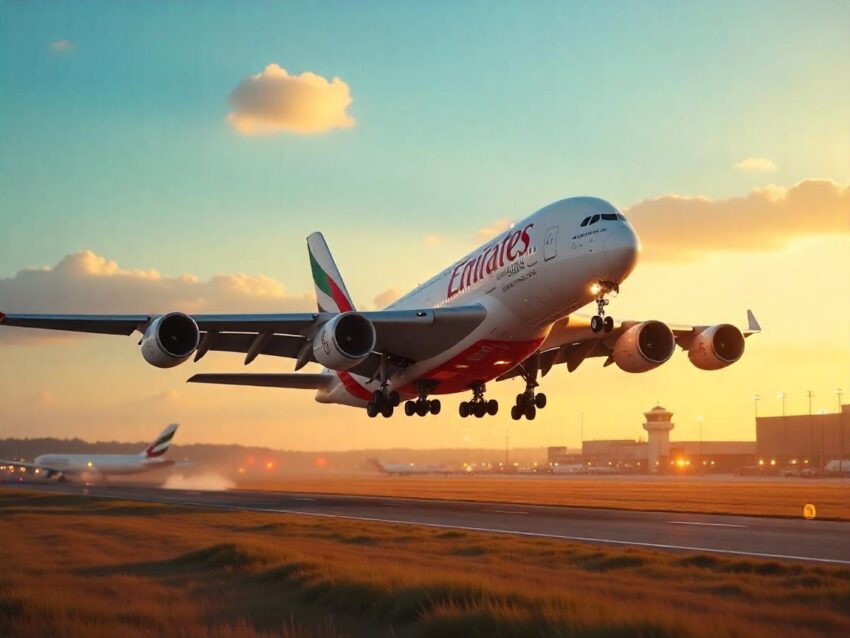
In a ABU DHABI move to strengthen operations between the UAE and Ireland Emirates has announced that it will be adding a third daily flight to the Dubai-Dublin route, commencing from October 26, 2025. The latest offering is a testament to the airline’s commitment to growing the Irish market for both passenger and freight customers and will see a significant increase in Emirates’ total capacity in Ireland. With a higher number of flights and the utilisation of retrofitted Boeing 777s, passengers will now have better scheduling options in and out of key global markets through Dubai.

This new service means that passengers now have another choice for flights when travelling between Dubai International Airport (DXB) and Dublin Airport (DUB), also opening up a more convenient link for those travelling to and from Ireland. The new service reflects Emirates’ commitment to serving increasing demand from both air passengers and shippers across the Middle East, Asia and Europe. The extra flights will then support increased demand to and from Ireland along with boosting Emirates SkyCargo’s cargo capacity, facilitating more trade between the UAE, Ireland and the rest of the world.

Emirates’ Third Daily Flight on Dubai-Dublin Route

Starting on October 26, 2025, Emirates will operate an additional flight (EK165) departing Dubai at 2:10 AM local time, arriving in Dublin at 6:25 AM. The return flight, EK166, will depart Dublin at 8:25 AM, landing in Dubai at 8:00 PM, providing even greater flexibility for travelers. This new schedule complements the airline’s existing morning and afternoon departures, offering a well-rounded set of options for passengers seeking convenience and timely arrivals.

The new service will be operated using the Boeing 777-300ER, one of Emirates’ flagship aircraft, featuring a state-of-the-art three-class configuration. This includes luxurious private suites in First Class, comfortable lie-flat seats in Business Class, and spacious Economy Class seating. The upgraded aircraft is designed to meet the needs of both business travelers and those seeking a relaxing, top-tier in-flight experience. The addition of the retrofitted Boeing 777 to the Dublin route is another testament to Emirates’ commitment to providing high-quality services on key international routes.

A Premium In-Flight Experience with Emirates

Travelers flying on the new Dubai-Dublin route will enjoy the same world-class amenities Emirates is known for, including the airline’s award-winning ‘ice’ entertainment system. This system offers up to 6,500 channels of movies, TV shows, music, and podcasts, ensuring that every journey is filled with entertainment. Additionally, passengers will appreciate the in-flight dining experience, with regionally inspired meals served across all cabins.

For premium passengers, Emirates offers extra comfort with VOYA Irish skincare products, Keogh’s Crisps, and Killowen yogurt, bringing a taste of Ireland into the cabin. These touches further enhance the onboard experience, connecting passengers with their destination even before they land.

Emirates SkyCargo and Cargo Growth

In addition to providing more flexibility for travelers, the new flight will increase Emirates’ cargo capacity on the Dubai-Dublin route, catering to growing demand for freight between Ireland and the Middle East, Asia, and other global markets. Emirates SkyCargo is renowned for its ability to transport high-value and time-sensitive goods, including pharmaceuticals, electronics, and food products. With this expanded service, Irish businesses will benefit from more efficient and timely delivery of essential goods, solidifying Emirates’ role as a key player in global logistics.

The Impact on Travel and Trade between Dubai and Ireland

Emirates’ investment in additional flights between Dubai and Dublin highlights the increasing demand for travel and trade between the United Arab Emirates and Ireland. As Ireland’s economic ties with the Middle East continue to grow, especially in sectors like pharmaceuticals, technology, and finance, the need for enhanced connectivity becomes even more pressing. The third daily flight will provide more options for business travelers, connecting them to Dubai’s vast network of flights to destinations across Asia, the Indian Ocean, and Australasia.

This expansion also supports leisure travel between the two regions, allowing visitors to experience Dublin’s vibrant culture and history, while also improving access for Irish travelers to explore Dubai and beyond. Dublin has long been a gateway to Europe for travelers from the Middle East, and with this additional flight, the city’s connectivity to the world is further enhanced.

Emirates’ Fleet Upgrades and Future Plans

Emirates has recently introduced retrofitted Boeing 777-300ER aircraft on its Dubai-Dublin route, showcasing a four-class layout with the addition of a Premium Economy cabin. This upgrade, set to roll out in stages, aims to provide an even more comfortable and modern in-flight experience. A second upgraded aircraft is scheduled for deployment on October 16, 2025, just ahead of the winter season, ensuring Emirates can meet the increased demand for travel during the busy holiday period.

As part of its ongoing fleet modernization, Emirates continues to enhance its operations on key international routes, offering passengers more seating choices and superior comfort. The addition of Premium Economy on the Dubai-Dublin route caters to those who seek an elevated experience without the cost of Business Class, providing extra space, upgraded amenities, and enhanced service.

Seamless Connections Through Dubai

With Emirates’ expansive network, passengers traveling to Dublin will benefit from seamless connections to destinations such as Sydney, Melbourne, Singapore, Kuala Lumpur, and Bangkok. Emirates’ Dubai hub remains a strategic gateway for travelers looking to explore a variety of global locations, making the airline a preferred choice for long-haul travel.

Whether you’re flying for business or leisure, the enhanced service between Dubai and Dublin offers unmatched flexibility and convenience. The increased frequency and upgraded aircraft provide a premium experience for every traveler, ensuring that both comfort and connectivity are prioritized.

Conclusion

Emirates’ decision to add a third daily flight between Dubai and Dublin starting in October 2025 underscores the airline’s commitment to expanding its presence in Europe and enhancing its service to meet growing demand. By providing more flight options, increasing cargo capacity, and offering top-tier in-flight experiences, Emirates continues to set the standard for international air travel. With the added benefit of improved connectivity to other destinations, this new service is sure to be a welcome development for travelers and businesses alike.

The post Ireland Welcomes New Growth in Tourism and Cargo with Emirates’ Third Daily Flight from UAE appeared first on Travel And Tour World.July 20, 2025 at 10:02PM

Chongqing China Travel Guide: Now Explore the Dramatic Mega City You’ve Likely Never Heard Of


Chongqing China Travel Guide: Now Explore the Dramatic Mega City You’ve Likely Never Heard OfChongqing China Travel Guide: Now Explore the Dramatic Mega City You’ve Likely Never Heard Of

Nestled into the rolling mountains of southwest China, Chongqing is nothing if not a mind-bending metropolis that is not so much a city as it is an immersive experience of urban life. Home to more than 18 million people, it is one of the biggest cities in the world — and yet it is still unfamiliar to many international travelers. -_- In this Chongqing China travel guide, I’ll show the city’s sci-fi skyline, crazy infrastructure and unforgettable experiences that make Chongqing a rising star on the travel map.

The 8D Mountain City

Frequently dubbed an “8D Magic City,” Chongqing is a city where cities are not merely spread out but also up and down, knotted like a puzzle carved into cliffs. From monorails piercing its buildings to expressways spiraling above its rivers, its vertical design is largely unparalleled.

For the China dreamer interested in future cities, Chongqing is living, breathing evidence. This Chongqing China travel guide will show how the city’s landscape is as thrilling as the attractions it contains.

Bigger Than New York — and So Much More Dynamic

With more inhabitants than New York City, Chongqing still flies under the radar when it comes to international tourism. That’s changing rapidly though — especially for younger travelers looking to make quirky discoveries off the beaten path.

Visitors are often surprised, not just by the size of the city, but by its energy. Skyscrapers scrape the sky, leaning into the brain-frying neon, screens and traffic, whilst street level living bursts with food stalls, neon signs and kinetic movement: an urban jungle draped over mountains and valleys.

This Chongqing China travel guide is all about highlighting what is being touted as the next major travel destination in Asia.

Places of Interests in Chongqing : What You shouldn’t miss

One of the highlights in this Chongqing China travel guide is its highlights you must see around the city. Some of the city’s cultural richness and visual splendor can be witnessed at venues such as:

  • Hongya Cave: A photogenic, traditional architecture-filled cliffside complex overlooking the rivers.
  • Dongshuimen Bridge: It is a huge double-deck bridge with sweeping views at night.
  • Liziba Monorail Station: It’s the station where a train seemingly runs through a residential building— an internet-famous wonder of the urban world.

These and other Chongqing city attractions are ideal for architecture, culture, and a unique Instagram moment.

The Menu: Food Culture of Chongqing

A Chongqing China travel guide would be remiss without discussing the food. Chongqing is the birthplace of the mouth-numbing fiery hotpot, with boiling chili-oil broth brought to your table for DIY cooking of meats, vegetables, and noodles.

Beyond hotpot, the city is a hotspot for gutsy street food — grilled skewers, spicy noodles, deep-fried specialties — lining night markets all over. For culinary adventurers, it’s paradise.

Social Media and Trends On The Rise

In recent years, digital creators and multilingual influencers have helped illuminate this giant of a city. Its content has brought city mono-rail rides, light shows and its culinary scene to the world stage.

As this Chongqing China travel guide explains, social media has been instrumental in unearthing Chongqing tourism secrets hiding in plain sight.

Passersby are now finding a place where mystery and wonder abound, thanks to real digital storytelling.

Geography That Shapes Innovation

Through millennia, Chongqing’s rugged topography, where the Yangtze and Jialing Rivers meet, has influenced how its people build and live. This is a city that is a master of engineering: multi-tiered bridges, suspended walkways and stair-stepped neighborhoods that would make designing its own map ashamed.

Urban planners have taken up the challenge, transforming Chongqing into a snappy, model city for innovation. That’s part of the reason many see it as a standard bearer for China futuristic cities, where form is married to visual spectacle.

Why Travel to Chongqing 2025?

As infrastructure grows and world attention hones in, this is our time to travel to Chongqing 2025 a move that will excite travelers in search of something new. The city is gaining new flight routes, upgraded transportation and tourism infrastructure and younger, more cosmopolitan residents.

Story continues As more and more travellers are looking to authentic and under-visited places, Chongqing’s affordability, adventure, and cultural richness provide the perfect mix. Whether you are trying to decide where to travel next or simply looking to explore new places you might not have heard of before, it’s our pleasure to share with you the top reasons why you will love traveling to Chongqing in China.

Final Thoughts: A City of Contrasts and Creations

In a nation full of global icons like Beijing and Shanghai, Chongqing is something else entirely. It’s a city that’s surreal yet street-level, visionary yet nostalgic. “Every turn you take it’s like an ‘Aha!’ It’s a city that’s constantly surprising you.

This is not just a piece of travel guide China Chongqing — it’s an invitation to feel a city where every stairs take you to a new place and every single trip with a train becomes an adventure.

The post Chongqing China Travel Guide: Now Explore the Dramatic Mega City You’ve Likely Never Heard Of appeared first on Travel And Tour World.July 19, 2025 at 11:54PM

Oman Soars Higher: Strategic Aviation Push To Power Tourism And Global Connectivity, Here’s What You Need To Know Now


Oman Soars Higher: Strategic Aviation Push To Power Tourism And Global Connectivity, Here’s What You Need To Know NowOman Soars Higher: Strategic Aviation Push To Power Tourism And Global Connectivity, Here’s What You Need To Know Now

In a spirited move to break from the dependence on hydrocarbons and grow its tourism offering, Oman pushes to grow its direct international flights, wooing global airlines and investing in an aviation environment. Led by Oman Airports, and overseen by the CAA, the Sultanate’s aviation strategy is closely aligned with Oman Vision 2040 and involves converting the nation into a ‘premium’ destination for visitors and investors alike.

A Travel Destination Poised For World Recognition

Oman’s incredible natural diversity — from the misty, monsoon-laced Khareef in Salalah, to the clean deserts of Musandam’s coastline — has always been alluring. But a major barrier has been air connectivity, as a lack of direct flights to the country has limited access for tourists from potential hotspots such as Europe, East Asia and Southeast Asia.

To this, Oman Airports has actively been talking to multiple carriers. Negotiations are ongoing with Wizz Air for services from Budapest and other Baltic cities. An unamed carrier, believed to be LOT Polish Airlines is being courted for a Warsaw–Muscat service. My top choice would be if China Eastern Airlines would provide a link between Shanghai or China Southern Airlines and Guangzhou/Oman with Oman, in cooperation with the Chinese Embassy. Together with Oman Air, it is also studying new routes to Southeast Asia, aiming toward Vietnam, which is emerging as a tourist and business destination.

These projects are not just about transporting passengers – they are about opening up a new phase of cultural exchange, economic development and tourism expansion.

Aviation Strategy As A Catalyst

Underpinning these measures are the CAA’s strategic roadmap – which provides a more flexible architecture, an agile model of aviation. Some seasonal or temporary air permits have been provided for routes like Muscat-Salalah and Sohar-Salalah, especially during periods of high traffic, like the Khareef. The permits are meant to provide carriers with leeway and, at the same time, prevent tourists from running into logistical hurdles.

The CAA’s and Camcopter’s regulatory innovations, including modern aviation codes as CAR OPS-1 or CAR 139, is making the airspace being rollsafe and fulfills global requirements. Additionally, an increasing among of overflight agreements are turning Oman’s strategically-important location into a valuable revenue generator, with more than 540,000 recorded in 2024, up 14 per cent from practically the previous year.

A Diplomatic And Economic Lift

Aviation, which is usually seen as a matter of logistics: How do you move X from Y to Z. What Libya’s Civil War Means for the World, Every war is part of ideas — a clash of metaphors, images and narratives. The bilateral Iranian side from Oman’s Ministry of Transport and the embassies involved in air-route negotiations demonstrate how foreign policy is facilitating commercial breakthroughs.

Signed July 2025, the MoU signed between Oman and Singapore’s Changi Airport Group typifies Oman’s desire to measure itself against best international standards. This collaboration is to focus on helping airports maximize non-aero revenues like retail concessions and runway and premium lounge services – bringing a fresh dimension to not only connectivity but also additional and optimized passenger experience.

Infrastructure For The Future

Oman’s aviation revival centres around capacity development. Significant expansion is under way at Muscat International to add an additional 40 million passengers per annum, along with another 8-12 million passengers at three other airports: Salalah, Sohar, and the new Musandam Airport. In 2024, Muscat accounted for 12.9 million passengers and in 2025 it is expected to exceed 13 million, according to CAA data.

Adding to the boom, Majid Al Futtaim signed a deal last year to form a joint-venture with Malaysia’s WCT International to co-develop Muscat Airport City, a mixed use commercial, lifestyle and entertainment destination interconnected with air and ground transport services.

A Comprehensive Plan: From Tourism To Commerce

Passenger travel is at the core, but Oman’s aviation vision has cross-sector implications. Cargo lanes and freight overflights are being sold and enlarged in logistics. In the job market, the new airports and airline services represent new opportunities for Omani youth in either technical and service positions. In urban development, airport cities are a driver that stimulates such economic zones as retail, hospitality, and business districts.

With increasing seasonal tourism volumes, particularly from Scandinavia and Eastern Europe, Oman is moving to put in place infrastructure to provide a level of international gateway characteristics while offering domestic access.

Branding Oman As A Connected Nation

This tactic not only grants the freedom of world travel but also redefines the image of Oman in the world. The story is evolving from a peaceful, undisturbed place to a well-connected, contemporary travel center.

Residents and tourists no longer have to travel through their regional competitors to get to Oman—before long, they could fly in direct from Warsaw, Shanghai, or Hanoi and arrive at airports that are a combination of world-class functionality with distinct Omani hospitality.

Conclusion

Oman’s aviation blue-print, steeped in policy pioneering and the development of destinations is a clear exemplification of national aspiration beyond the runway. The story is one of economic revolution, cultural invitation and global embrace, etched not in ink but in flight paths.

The post Oman Soars Higher: Strategic Aviation Push To Power Tourism And Global Connectivity, Here’s What You Need To Know Now appeared first on Travel And Tour World.July 19, 2025 at 11:44PM

Greece’s Resiliency Tested By Weather, Global Conflicts And Tourism Demand, Here Is All You Need To Know


Greece’s Resiliency Tested By Weather, Global Conflicts And Tourism Demand, Here Is All You Need To KnowGreece’s Resiliency Tested By Weather, Global Conflicts And Tourism Demand, Here Is All You Need To Know

Greece has experienced a variety of crises in recent years including an economic downturn, a worldwide pandemic and catastrophic wildfires. Despite such hurdles, the country has become one of the top tourist destinations in Europe, attracting millions of visitors once again each year. But as the country’s tourism sector revives, new threats loom. Wars, climate change and regional instability are creating uncertainties for Greece’s tourism industry that could diminish its future success.

Greece’s Tourism Sector Reawakens

Having suffered a tough period amid the pandemic and economic crisis, Greece’s tourism industry is bouncing back. 2023 tourism data reveals a robust comeback in key aspects, among which this from Crete (+7% vs 2019). Interest is resting at 11% based on ionian only. These numbers reflect the country’s hotel sector’s resiliency, already on the brink of rebounding to pre-pandemic level, particularly in tourist-hotspots like Crete.

Yet, while these are encouraging indications, not all countries have responded equally well. However there is variation within country with bigger properties and all-inclusive offerings performing better while smaller hotels and those without investment in their infrastructure are not able to match previous performance. As Greece shapes a vision of 2024, tourism professionals claim that growth pathways are in place but there are new problems to solve: rising challenges that could knock it off course.

Climate Change and Tourism

One of the main problems that Greece has to deal with in connection with tourism, is that of climate change. The islands, known for their Mediterranean climate, are experiencing a sharp rise in days of extreme heat. By 2024, there were as many as 43 heat extreme days, rendering the summer months — especially July and August — even less attractive to high-end travelers who want to escape to cooler climes. The country’s wealthier tourists, many of whom avoid peak travel times when school is out, have chosen cooler destinations in those months, thereby decreasing demand in some of the hottest months of the year.

However, climate change is also benefiting some regions. For its part, milder weather in the shoulder months (April, May, September and October) has lured visitors from abroad, including from such countries as Germany, France, the U.K. and United States. The island of Crete especially has been enjoying increased foot traffic at this time of the year, as its moderate temperatures and ever-growing list of things to see and do attracts visitors throughout the 12 months.

Global Conflict and its Impact on Tourism Demand

Global conflicts and political tensions are also having a real impact on the tourism landscape now, despite the effects of climate change. There are also new variables for travelers to consider, like the war in Russia and Ukraine and escalating tensions in the Middle East. Despite these problems, Greece has proved to be a durable destination, drawing tourists even as numbers from some countries, notably Russia, fall because of sanctions and war.

The demand for specific destinations in Greece seemed to be affected by the geopolitical instability. In some cases, reduced arrivals had been noted because of seismic activity and unrest. As tourist hot spots, 40% less people visited Santorini after earthquakes early 2024, and a 15% drop in touristing tolls for Mykonos was also recorded. The tourism sector’s dependence on flows from abroad also makes it particularly susceptible to regional conflicts like the war in Ukraine or tensions between Israel and Iran, which can impact travel patterns, although in those instances, too, Greece has fared better than many of its Mediterranean rivals.

Economic Variables and Their Influence on Visitation

On top of international conflicts, the Greek tourism industry also has to cope with how economic tides ebb and flow, and especially in Europe. The financial strain, particularly in the U.K., as well as 40% fewer tourists for 2025. And this drop is disturbing for hoteliers in Greece, since the country has long been one of the prime markets for the British. But U.S. visitors have continued coming to Greece, with a 30% increase in U.S. tourist arrivals over the same time last year. High-income brackets of American visitors have helped to counteract some of the declines from other regions.

Trade disputes with the U.S. have done little to alter Greece’s appeal to North American travelers, despite lingering tariff concerns. Indeed, some 1.5 million US citizens travelled to Greece in 2024, providing an economic impact of €1.6billion. This regular stream of American tourists is essential to Greece’s return to tourism business.

The Refugee Situation and Implications on Tourism

Yet another element in the melting pot that is Greece’s tourism sector: the refugee crisis. The country has experienced a steady flow of asylum seekers arriving on boats, mostly from Turkey, particularly to islands such as Lesbos, Chíos, Kos and Samos. These islands, situated relatively close to the Turkish coast, had been badly hit in the past, with the refugee situation doing much to harm these destinations’ images for tourists, if only temporarily.

There have been local efforts through the years and purposeful investments that are beginning to reverse the image of these islands, attracting tourists once more. This is a potential threat, yet the demographic crisis with a growing number of asylum seekers has been considered over the past years where 73,688 asylum applications were reported in 2024 compared with 57,891 in 2023. Although it isn’t, as it was at the apex of the crisis, the influx of asylum seekers raises concerns about local tourism.

Keeping Greece’s Natural and Cultural Landscape Intact

To combat these pressures, the Greek government has adopted a more cautious attitude to tourism development, and has imposed tighter controls on new investment and building. This is particularly the case in the Ionian Islands, the Aegean area and Crete that stress the need to respect natural settings and protect local populations.

In recent years Greece has experienced substantial increases in the allowed buildable surface in tourism projects, however getting approval for new construction is expected to become more difficult. These changing regulations are intended to keep the Greek islands unique and to allow future construction to be environmentally and culturally sensitive in order to prevent damage and deprivation. And with tourism booming, it will be important for Greece to balance its welcome of money and investment with standing up for the things that make it appealing to begin with.

Conclusion: The Way Forward for Greek Tourism Is Complicated

Greece has proven to be extremely robust in its efforts to overcome its recent difficulties. Tourism continues to grow, and the sector is threatened by a plethora of possible risks, from climate-related disasters, geopolitical tensions and economic crises to the refugee apocalypse. Greece could only remain one of Europe’s favourite tourist destinations by continuing to adapt to these realities. One way of doing this is by taking a lead over growth by promoting sustainable tourism and ensuring that the economic benefit of tourism stays with the local communities. As Greece continues, how well it can juggle these competing concerns will help shape its success in the years ahead.

The post Greece’s Resiliency Tested By Weather, Global Conflicts And Tourism Demand, Here Is All You Need To Know appeared first on Travel And Tour World.July 17, 2025 at 10:31PM